
Simple running device may improve running efficiency
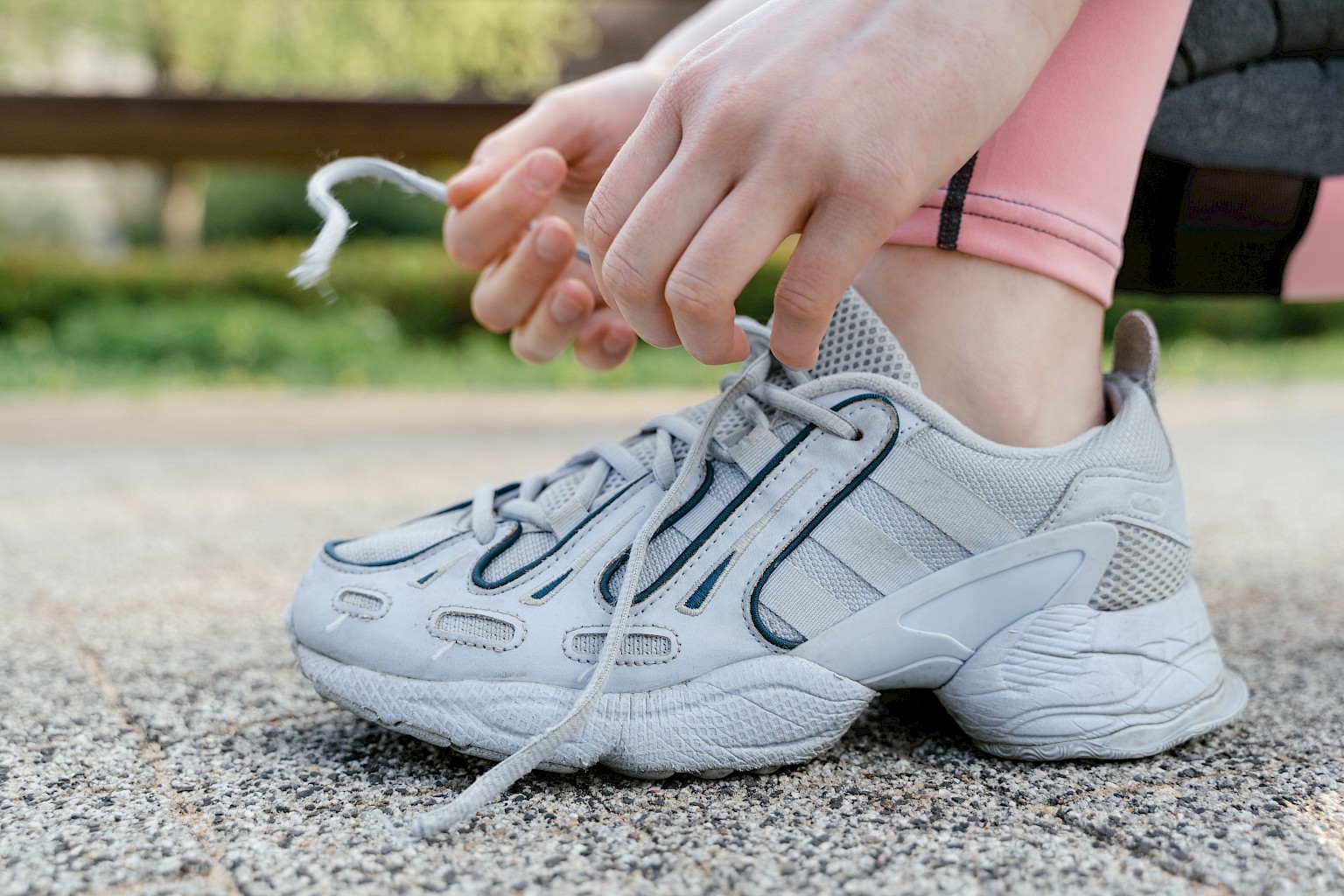
Researchers at Stanford University found that a lightweight elastic device attached between a runner’s shoes may improve running efficiency and reduce energy expenditure during endurance running.
A simple elastic band attached between a runner's shoes may improve running efficiency by approximately 6%, according to research led by mechanical engineer Elliot Hawkes while at Stanford University.
The findings, published in the Journal of Experimental Biology, suggest that a lightweight elastic device, known as an “exotendon,” can help reduce the energy required during endurance running.
“In running, the energy is mostly wasted,” said Hawkes. According to the study, only a small portion of the energy expended during running is used to maintain forward motion, while much of it is devoted to supporting body weight and moving the legs through each stride.
Seeking a way to improve efficiency, Hawkes and his colleagues explored whether an elastic mechanism could assist leg movement in a manner similar to the tendons found in animals such as cheetahs. The result was a simple elastic band attached between the runner's shoes.
“We started at the knees, but in the end we clipped the band onto the shoes,” Hawkes said. “It’s easier to get it onto the shoes, and it’s more comfortable.”
Study participants reportedly adapted to the device quickly, and no tripping incidents were reported during testing. Researchers found that the device reduced the effort required to swing the legs and encouraged a slightly shorter, quicker stride, which improved overall running efficiency.
“It actually reduces the effort to ‘bounce’ during stance,” Hawkes explained. “The band removes this cost for leg swing, meaning you can easily take more steps per minute, reducing the energy required to bounce.”
The researchers used a piece of surgical tubing cut to approximately 25% of leg length. The design was intended to provide assistance without interfering with natural movement.
The study focused on endurance running on flat surfaces. Researchers noted that the findings may not apply to sprinting, trail running, or other forms of running, and no long-term training effects were observed after the device was removed.
“It’s surprising; it makes you feel light and kind of fast,” Hawkes said. “Pretty immediately your body figures it out.”
The research was conducted by Elliot Hawkes and colleagues at Stanford University.